

Why does West Andover need a different approach?
West Andover feels very different from the center of town. Lots are larger, many homes sit in subdivisions carved out of woodland, and the area around Haggetts Pond and the I-93 corridor still has plenty of forest. That means many properties have dozens of trees rather than a few, and a lot of them are woodland trees that grew up crowded together, not open-grown yard trees.
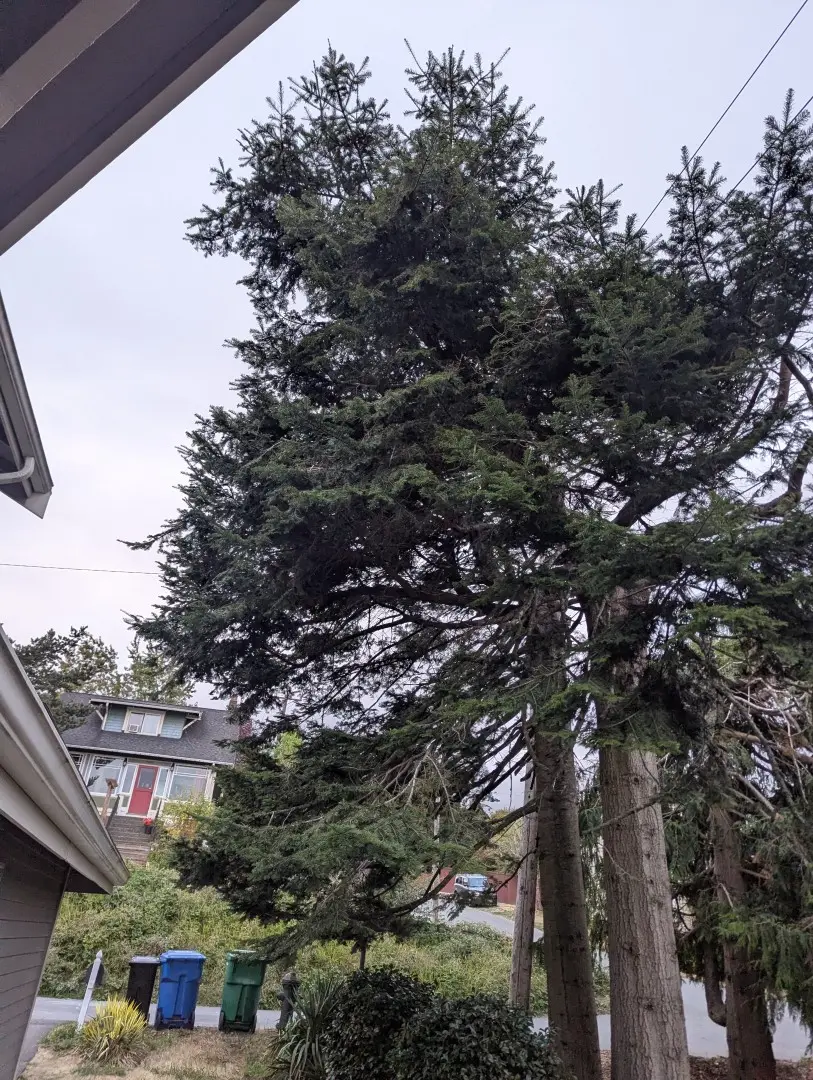
When land is cleared for houses, the trees left standing at the new edge suddenly face wind they were never exposed to. Their roots may have been cut during construction, and their crowns are often tall and narrow from competing for light. Those edge trees are behind many of the storm calls in this part of town. Good Andover tree pruning and tree care here means looking at the whole woodland edge, not just the tree nearest the deck.
Which services do West Andover properties use most?
Hazard tree assessment and removal
Tall pines and oaks along the woodland edge can lean toward homes, driveways and play areas. Identifying the trees that pose a real risk, and removing them before storms do, is the most valuable work on wooded lots. Our tree removal process handles everything from single hazards to clearing several trees at once.
Crown raising along drives and yards
Long driveways and lawns bordered by woods often have low limbs reaching into the open space. Crown raising lifts the canopy for vehicles, plows and mowing, and lets light reach the lawn.
Storm cleanup
After a nor’easter or ice storm, wooded properties often have hangers in the canopy and broken tops. Clearing them safely, and checking for trees loosened at the roots, comes first.
Stump grinding after clearing
New construction, storm removals and lot work leave stumps behind. Stump grinding levels the ground for lawn, gardens or a replacement tree.
Pest and disease monitoring
Wooded lots carry the same pests as the rest of Essex County, often in larger numbers. Ash along the woodland edge has been hit hard by emerald ash borer, and white pines often show needle cast after wet springs. Our tree disease management service sorts out which problems need action.
What tree problems are common in West Andover?
- Exposed edge trees: trees left after clearing that now take the full force of wind
- Construction root damage: decline that appears several years after a house was built
- Dead ash: ash trees killed by emerald ash borer, becoming brittle and dangerous
- Tall, thin-crowned pines: wind-prone trees with most of their weight at the top
- Dead lower limbs: shaded-out branches on pines and spruces that fall easily
- Wet soils near ponds and wetlands: shallow roots that can fail when soil is saturated
Watch trees after a big stormTrees that held through a storm can still have cracked roots or loosened soil. A new lean, or a raised mound of soil on one side, is a reason to keep people clear and call promptly.
What about wetlands and conservation land?
Parts of West Andover sit near ponds, streams, wetlands and conservation land. Tree work within wetland buffer zones may require review by the Andover Conservation Commission, especially removals and clearing. If your property backs onto wet areas or conservation land, it’s worth checking before significant work. Pruning for safety is usually simpler than removal or clearing.
A seasonal checklist for wooded lots
- Late fall: walk the woodland edge and note dead trees, leaners and hangers before snow.
- Winter: schedule dormant-season pruning and removals; frozen ground protects lawns.
- Spring: look for winter storm damage and new leans after the thaw.
- Summer: watch ash and pine crowns for thinning and browning.
Think in zonesOn wooded lots, focus first on trees that could reach the house, driveway or play areas. Trees deep in the woods with nothing underneath can often be left as habitat.
Planning for the long term
Wooded properties change over time. Removing a few hazard trees today, then planting or encouraging younger, wind-firm trees near the edge, builds a more stable canopy. Our guide to the best trees to plant in Andover suggests species that handle exposure and local soils. For more on recognizing trees at risk, read common tree problems in Andover.
Call to have your woodland edge assessed and hazards dealt with before storm season.
Which trees are most common on West Andover lots?
Wooded lots here are usually a mix of white pine, red and white oak, red maple, black birch and hemlock, with ash scattered through older stands. White pines are often the tallest trees on the property and the ones homeowners worry about most. Oaks are long-lived and strong but need dormant-season pruning. Red maples tolerate wet spots near ponds and wetlands. Knowing the mix on your lot helps prioritize: dead ash and leaning pines near the house usually come first, while healthy oaks are worth keeping and caring for.
Nearby neighborhoods
West Andover borders the larger, rural-feeling properties of South Andover and Holt Hill, and it’s a short drive to Andover Center and the riverside village of Ballardvale.
West Andover tree service FAQs
Which trees on a wooded lot should be removed first?
Dead trees, leaning trees and those with major defects that could reach the house, driveway or play areas. Trees with no target can often stay.
Do I need permission to cut trees near wetlands?
Work in wetland buffer zones may need Conservation Commission review. Check before removals or clearing near wet areas.
Why are my pines dropping so many needles?
Some needle drop each fall is normal. Heavy browning in early summer often means needle cast fungus, which wet springs encourage.
Can you clear a view or a path through the woods?
Often, yes, within any wetland rules that apply. Selective removal and crown raising can open views while keeping the woodland healthy.
What should I do about dead ash trees?
Remove them before they become too brittle to climb safely, especially if they could fall on structures.