
Andover Center
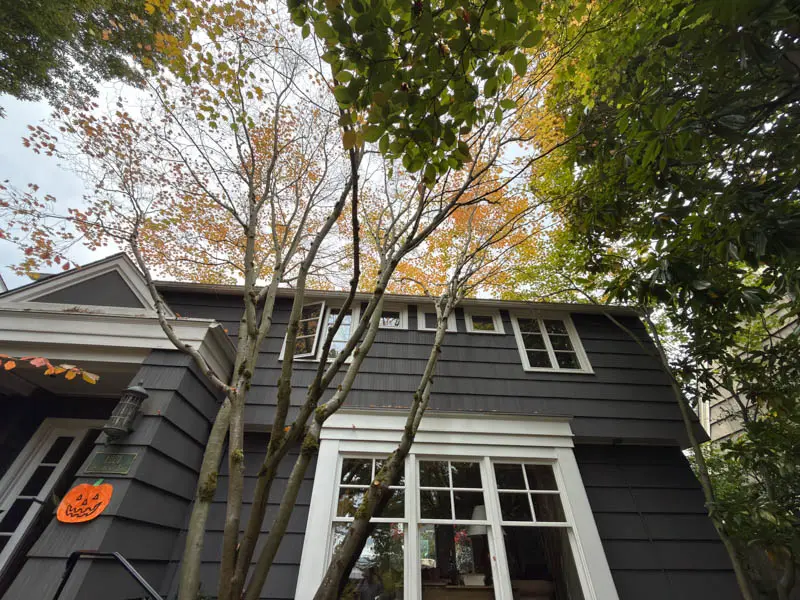
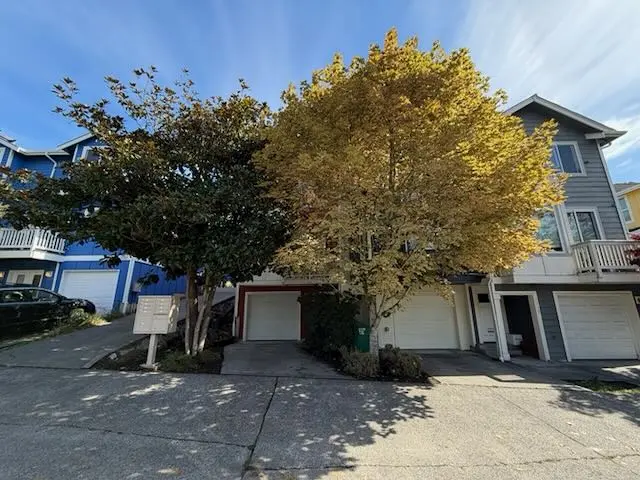
Around Main Street, older homes sit close together under mature maples and oaks. Clearance pruning over roofs and careful removals on tight lots, where every limb has to be lowered by rope, are the most common jobs.

Shawsheen Tree Co. Andover provides expert tree pruning for Andover homes and properties: deadwood removal, crown thinning, reduction and clearance, done to ANSI A300 standards. Call to talk through what your trees need.
Tree pruning removes the right branches, in the right places, at the right time, so your trees stay safe, healthy and in proportion with your home.
Tree pruning in Andover usually starts with safety: dead, broken and weakly attached limbs come out before they fall, and branches are cut back from roofs, chimneys and driveways with careful tree trimming. Big shade trees need a measured crown reduction so they carry less weight in a nor’easter, or a crown raise so cars and people can pass underneath. Split-prone trunks can often be saved with cabling and bracing, and trees that are dead or failing need careful tree removal followed by stump grinding.
Andover’s canopy is old and mixed. Sugar and red maples, red and white oaks, white pines, eastern hemlocks and American beeches shade many of the town’s streets and yards. Those trees face real New England pressure: heavy wet snow, ice, coastal storms and a growing list of invasive pests and diseases. Even the hedges that screen so many yards need hedge trimming shaped to shed snow. That is why plant health care and tree disease management matter as much here as a sharp saw.
Call (978) 555-0142 to describe your tree. You’ll get a clear explanation of what it needs, a quote before any work starts, and work scheduled at the right time of year for the species.
Seeing two or more? Late winter is the ideal time to prune most trees, so it’s worth booking ahead.
Call (978) 555-0142Every pruning plan uses the lightest technique that solves the problem. Most visits combine two or three of these:
Good tree pruning in Andover follows the ANSI A300 standard: cuts just outside the branch collar, no more than about a quarter of the living crown removed in a season, and oaks pruned only while dormant to avoid oak wilt. Our pruning calendar for Massachusetts explains the timing tree by tree.
These are the situations we see most often on residential lots. If one looks familiar, it’s worth having the tree looked at before the next storm season.
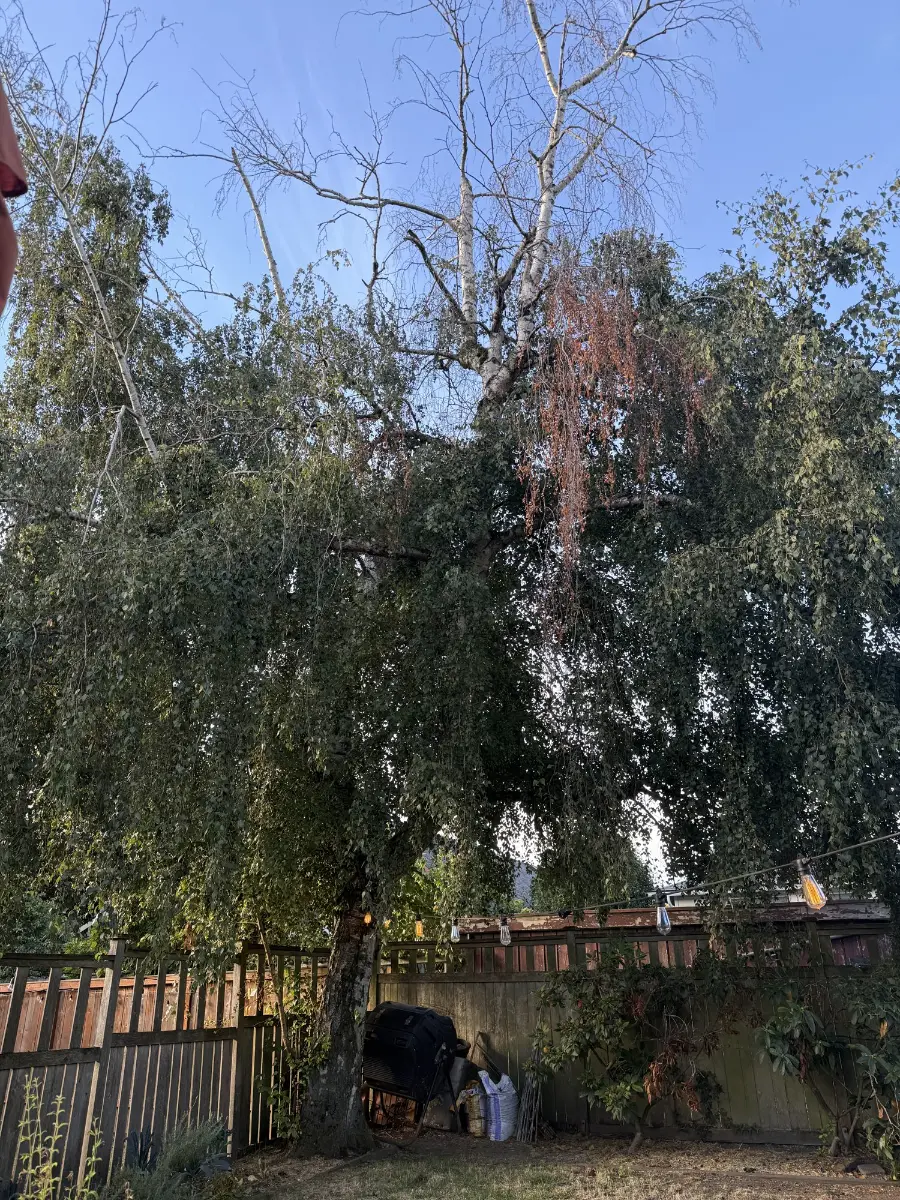
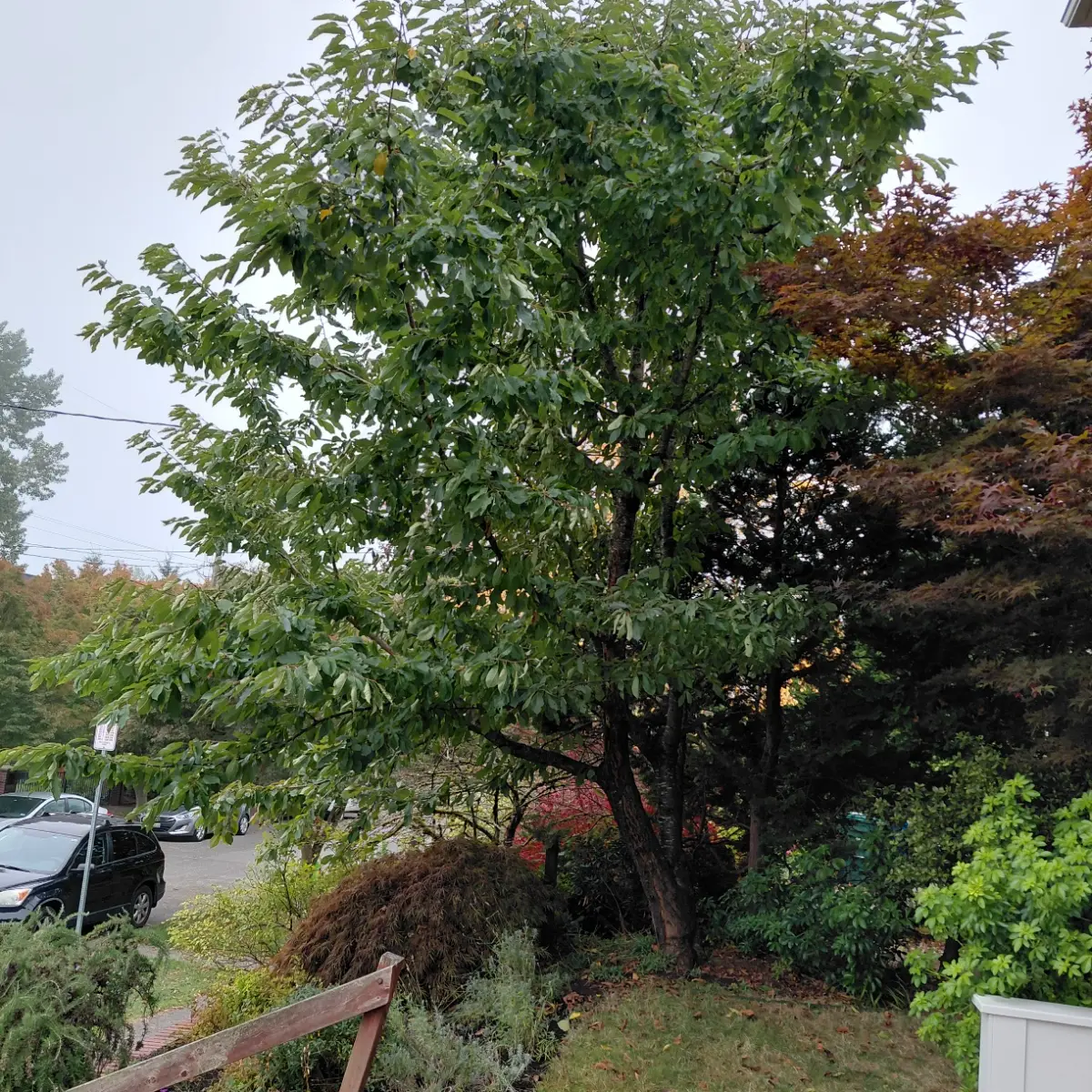
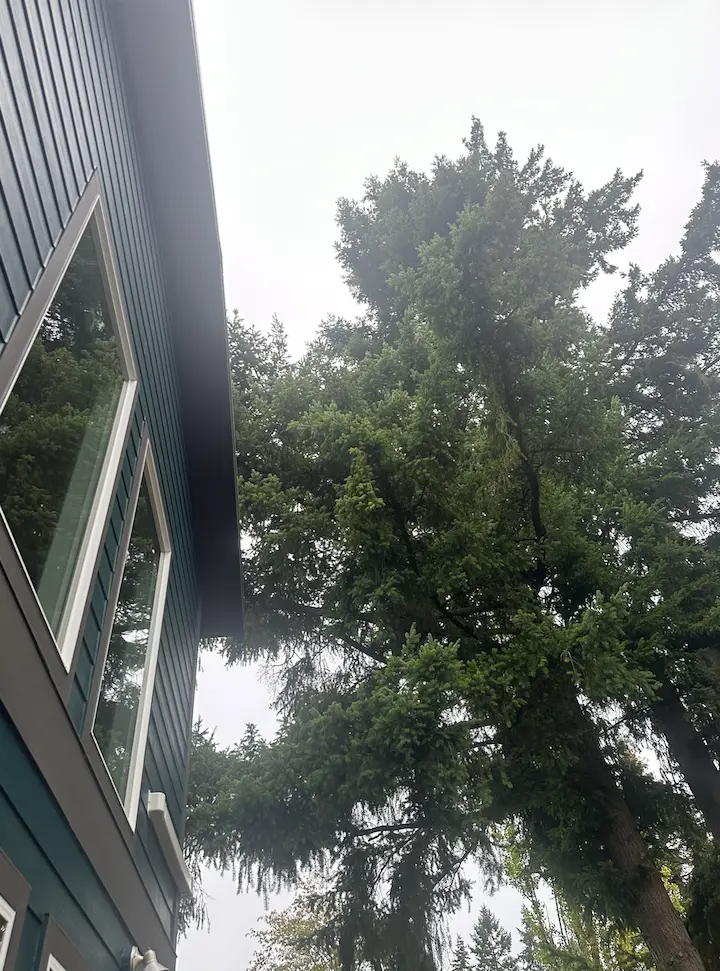
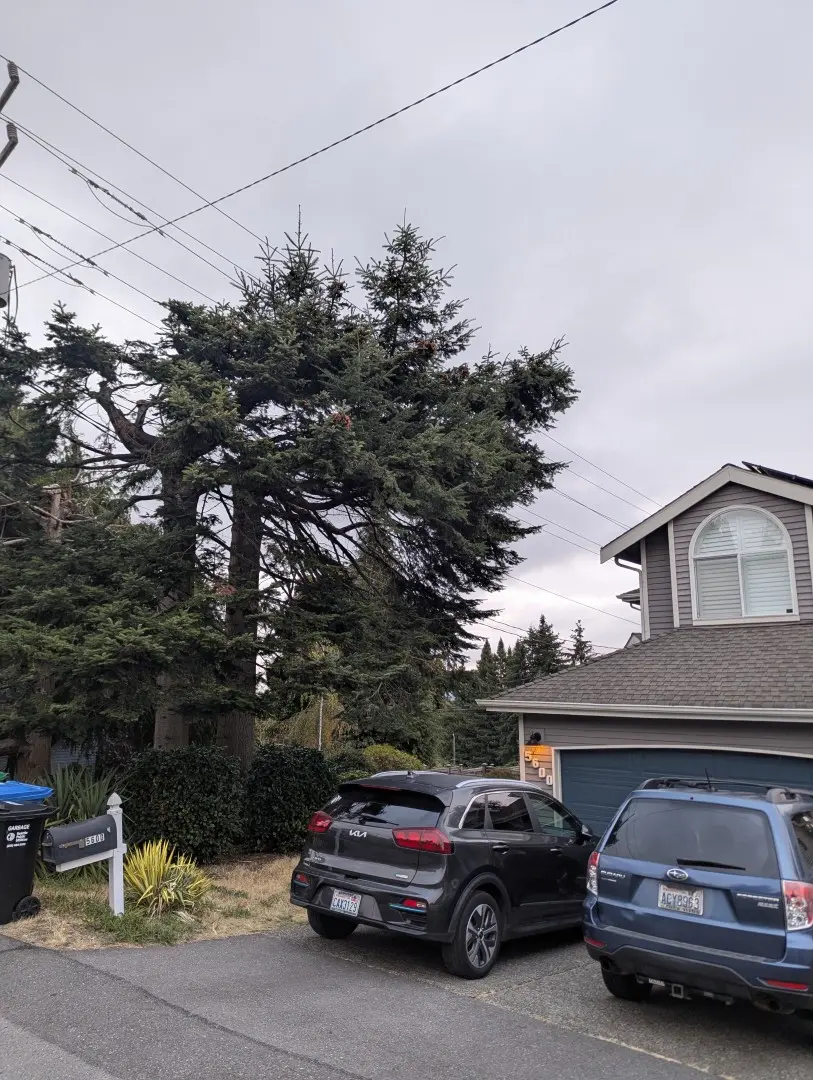
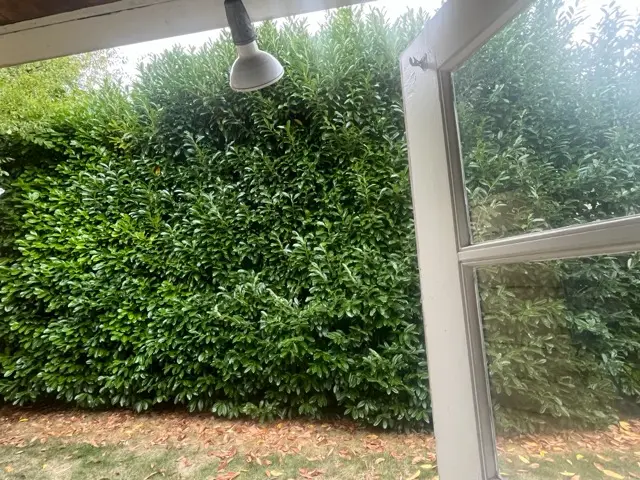
Alongside tree pruning, these services cover nearly every tree job in town, from a single overgrown maple to a campus of trees on a commercial site.
Tree trimming keeps limbs off roofs, gutters and chimneys, clears driveways and walks, and removes deadwood before it falls. It pairs naturally with pruning: trimming handles clearance and appearance, while pruning shapes structure and health. Every cut is made at the branch collar, and nothing is topped.
Shortening height or spread to cut wind and snow load without topping.
Crown ReductionLifting low limbs for roofs, driveways, sidewalks and sightlines.
Crown RaisingSupplemental support for split-prone unions and heavy limbs.
Tree Cabling & BracingStumps and surface roots ground below grade, ready to replant.
Stump GrindingWhen a tree is dead, failing or simply in the wrong place, it’s taken down in controlled sections and lowered by rope so the house, lawn and gardens below stay protected.
Tree RemovalShaping arborvitae, yew, boxwood and privet hedges the healthy way.
Hedge TrimmingSeasonal inspections, soil care and targeted treatment plans.
Tree & Plant Health CareBeech leaf disease, anthracnose, apple scab, fire blight, oak wilt and Dutch elm disease each need a different response. Diagnosis comes first, then targeted treatment or removal.
Tree Disease ManagementCare plans, risk inspections and scheduled pruning for HOAs, office parks, retail centers, schools and municipal grounds across Andover.
Commercial Tree ServicePick where you’re seeing the problem. Each sign links to the service that usually fixes it. Signs in red deserve a call this week, not next season. For a guided diagnosis, try the full tree symptom checker.
Six diseases account for most of the worried calls about leaves, bark and dieback in Essex County. Each one needs a different plan, so identification comes before treatment.
Caused by a microscopic nematode. Leaves show dark bands between the veins, then curl and thin out until the tree declines.
Beech leaf disease guideA fungal leaf blight on maples, oaks, dogwoods and sycamores after cool, wet springs. Usually cosmetic, but repeated years weaken trees.
Disease managementOlive-black spots on crabapple and apple leaves, followed by early leaf drop in summer. Resistant varieties and timed sprays help.
Common tree diseasesA bacterial disease that blackens shoot tips on pears, apples and crabapples into a “shepherd’s crook.” Infected wood is pruned out in dry weather.
Common tree diseasesA fatal vascular disease of oaks, spread by sap beetles to fresh wounds. The best defense is pruning oaks only while they’re dormant.
Oak wilt guideA fungus spread by elm bark beetles that yellows and wilts elm crowns. Surviving American elms can be protected with preventive treatment.
Disease managementMost tree failures here trace back to a short list of causes. Knowing them helps you spot trouble early and ask the right questions.
Weather is the biggest single cause of tree failures in eastern Massachusetts. Wet snow in October or April lands on branches that may still carry leaves, multiplying the load. Ice coats every twig and adds serious weight across an entire canopy, and nor’easters bring sustained wind on soil already softened by rain.
Trees with long, heavy limbs over open space, dense crowns that catch wind like a sail, or weak forks are the ones that break. Preventive work aims to make the tree shed load instead of fighting it, and our guide to preparing trees for nor’easters covers it step by step.
Invasive insects now shape many tree care decisions in Essex County. Emerald ash borer kills ash trees by tunneling under the bark, and dying ash turn brittle quickly. Spongy moth caterpillars have stripped oaks in outbreak years, and hemlock woolly adelgid leaves white woolly tufts on hemlock needles as it slowly weakens the tree. Diseases such as beech leaf disease and anthracnose add to the pressure.
Pro tipBefore agreeing to any treatment, ask which pest or disease was identified and how. A good diagnosis points to evidence on your tree, not a program sold “just in case.”
Many failures start decades earlier with a structural flaw. Co-dominant stems, two leaders of similar size growing from one point, often form a tight V with bark trapped between them. That included bark blocks a solid wood connection, so the union can split under snow. Old topping cuts cause similar trouble by producing clusters of weakly attached sprouts.
Structural pruning while a tree is young prevents most of this. For mature trees with an existing weak union, cabling can reduce the strain, provided the wood is still sound.
Most of a tree’s absorbing roots sit in the top foot or so of soil and spread well past the drip line. Compaction from vehicles, grade changes, new driveways and utility trenches damage roots quietly, and the crown may not show the decline for several years.
WarningPlanning an addition, patio, pool or septic work near a mature tree? Protect the roots before the excavator arrives. Construction damage is the hardest kind to undo.
A proper assessment starts from the ground: the lean, the root flare, the trunk, each major union, crown density and deadwood. From there an arborist may use:
You should come away knowing what’s wrong, what’s recommended and why. A clear quote lists the trees involved, the work on each (for example “reduce end weight on the limb over the garage” rather than “trim tree”), how wood and debris will be handled, and any follow-up such as a cable inspection.
Routine pruning can usually wait for the dormant season, when it’s best for the tree. Hazards, like a cracked union over the house, are handled promptly.
From the first call to a cleaned-up yard, the path is short and you make every decision.
Describe the tree, what you’ve noticed and where it is. Photos help.
A tree pro inspects the whole tree, not just the branch you called about.
You get the recommended work, the reasons and the price before anything is cut.
The job is scheduled at the right time for the species and the site is cleaned up.
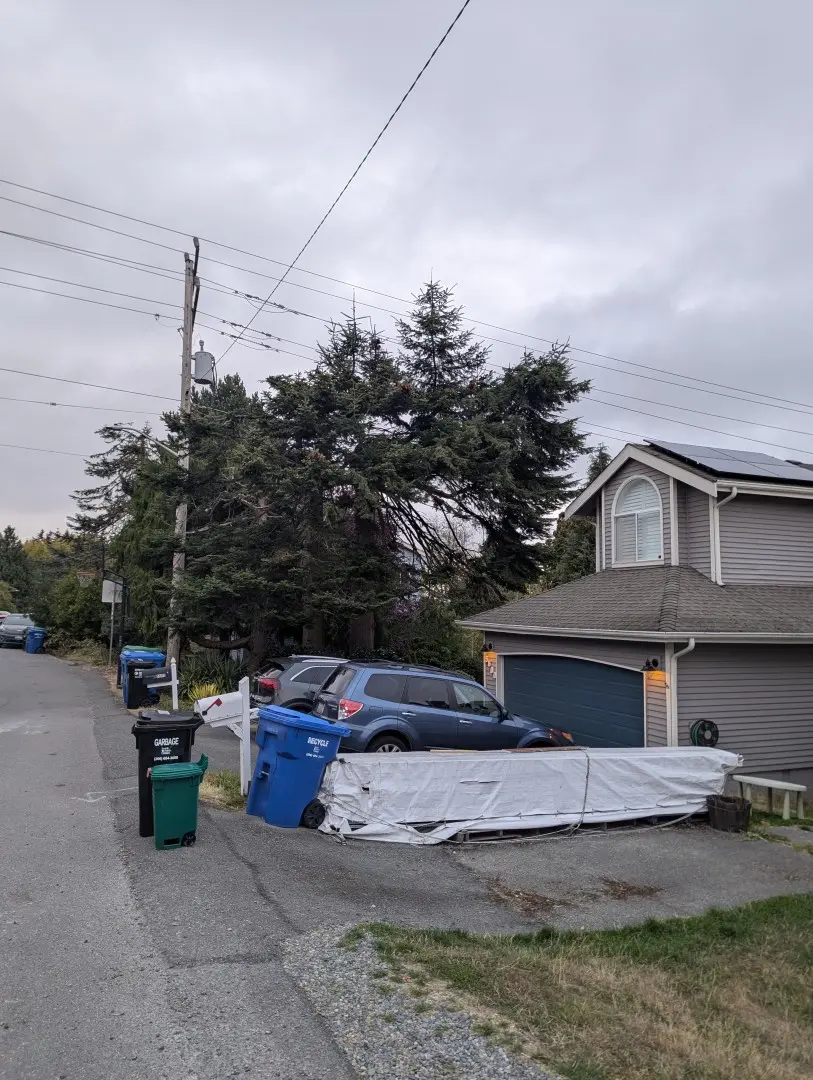
Yes. Property managers, condo associations, schools and municipal departments need tree care that is planned, documented and predictable. Commercial tree service covers inventories, risk inspections, scheduled pruning cycles, removals with traffic and pedestrian control, and storm response for parking lots, entrances and common areas.
A written multi-year plan lets you budget work by priority instead of reacting to every storm. It also gives your board or insurer a clear record of what was inspected, what was done and when.
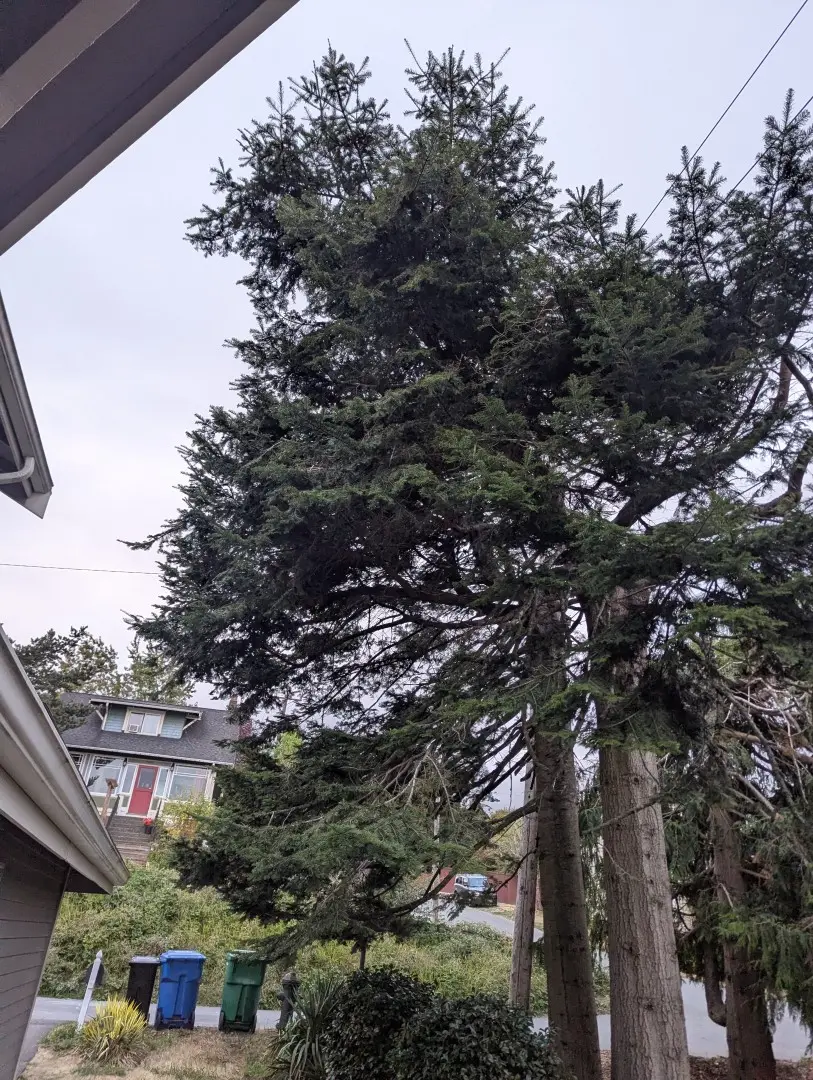
Trees don’t heal the way people do; they seal off damage, and small problems compound. A limb that one small cut could fix this year becomes a heavy lever over your roof in five. A crack in a weak union widens each winter until a snow load finishes the job.
Waiting also makes the eventual work harder. Dead trees, especially ash killed by emerald ash borer, become brittle and dangerous to climb, so removal gets more complicated. And a branch that fails onto the house or a car turns planned work into an emergency during storm season, when everyone is busy.
That doesn’t mean every tree needs work now. It means an inspection is cheap insurance: you learn what’s urgent, what’s seasonal and what can safely wait. If a weak fork could still be cabled, that option disappears once the crack has gone too far.
Every quote is set after the tree has been seen. These are the factors that move it up or down, so you can compare quotes fairly.
| Factor | Why it matters |
|---|---|
| Tree size and height | Taller, wider trees need more climbing time, rigging and crew. |
| Access | Backyard trees behind fences, slopes or septic fields can’t be reached by machines. |
| What’s underneath | Work over roofs, decks, wires or gardens means lowering wood by rope instead of dropping it. |
| Tree condition | Dead, decayed or storm-damaged wood is less predictable and slower to work safely. |
| Scope of work | Light deadwooding differs from a full reduction, a cabling install or several stumps. |
| Cleanup | Hauling away, chipping on site or leaving cut wood all change the time involved. |
| Timing | Emergency storm work is priced differently from scheduled, dormant-season work. |
Two quick tools for Andover homeowners: a planning price range for tree removal, and a checker that matches symptoms to the pests and diseases found in Massachusetts.
Get a planning price range for removing a tree in Andover in under a minute.
Open the toolMatch what you see to the pests and diseases found in Massachusetts.
Open the toolPrefer a person? Call and describe the tree. It’s the fastest way to a real answer and a quote.
Call (978) 555-0142Every part of Andover, from Andover Center and Shawsheen Village to Ballardvale, West Andover, South Andover and the Phillips Academy area. Each neighborhood has its own mix of trees and challenges.
Around Main Street, older homes sit close together under mature maples and oaks. Clearance pruning over roofs and careful removals on tight lots, where every limb has to be lowered by rope, are the most common jobs.
Larger wooded lots near Haggetts Pond and the I-93 corridor mean plenty of woodland-edge trees that were exposed when subdivisions were cleared. Storm-damage checks, hazard pruning and stump grinding come up often.
Big, rural-feeling properties near the Ward Reservation and Holt Hill hold oak and white pine stands. Oak wilt prevention, crown raising along long driveways and woodland-edge risk checks matter most here.
Built as a planned village in the early twentieth century, Shawsheen has large shade trees standing close to closely spaced homes. Crown reduction and cabling of old trees are frequent requests.
This historic mill village along the Shawsheen River has riverside lots, wet soils and old trees near historic buildings. Root health, careful pruning and storm preparation are the usual concerns.
Established streets around Andover Hill carry heritage trees that owners want to keep for decades. Plant health care, beech leaf disease monitoring and structural pruning lead the list.
Straightforward answers on diseases, pruning timing, planting and storm prep, written for Andover yards.
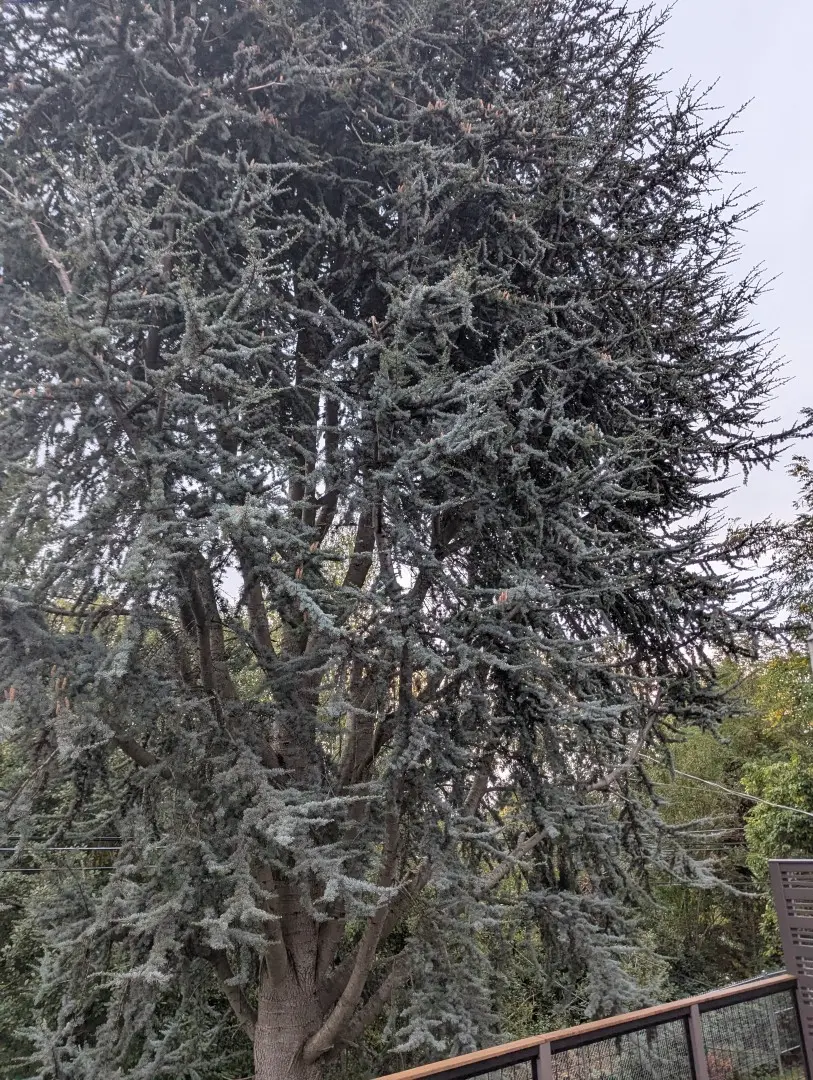
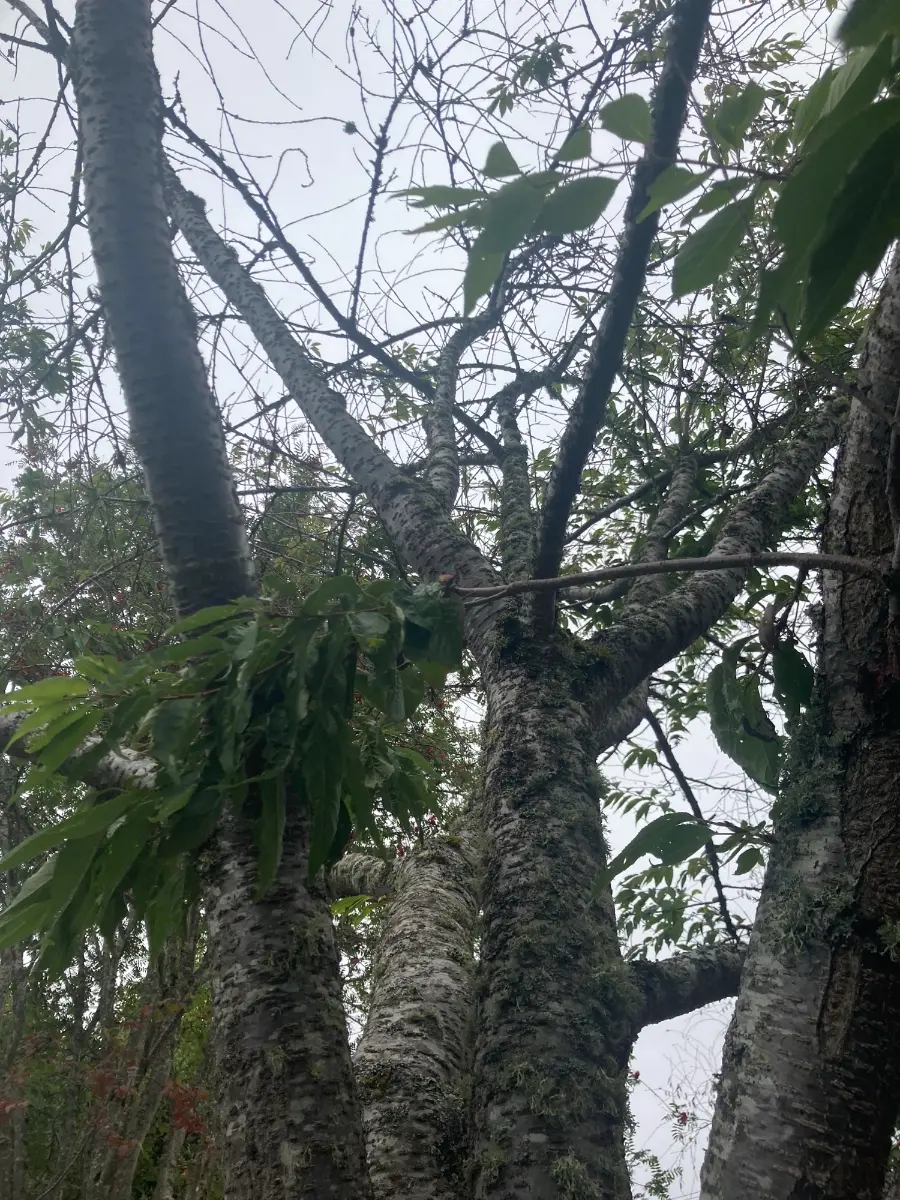
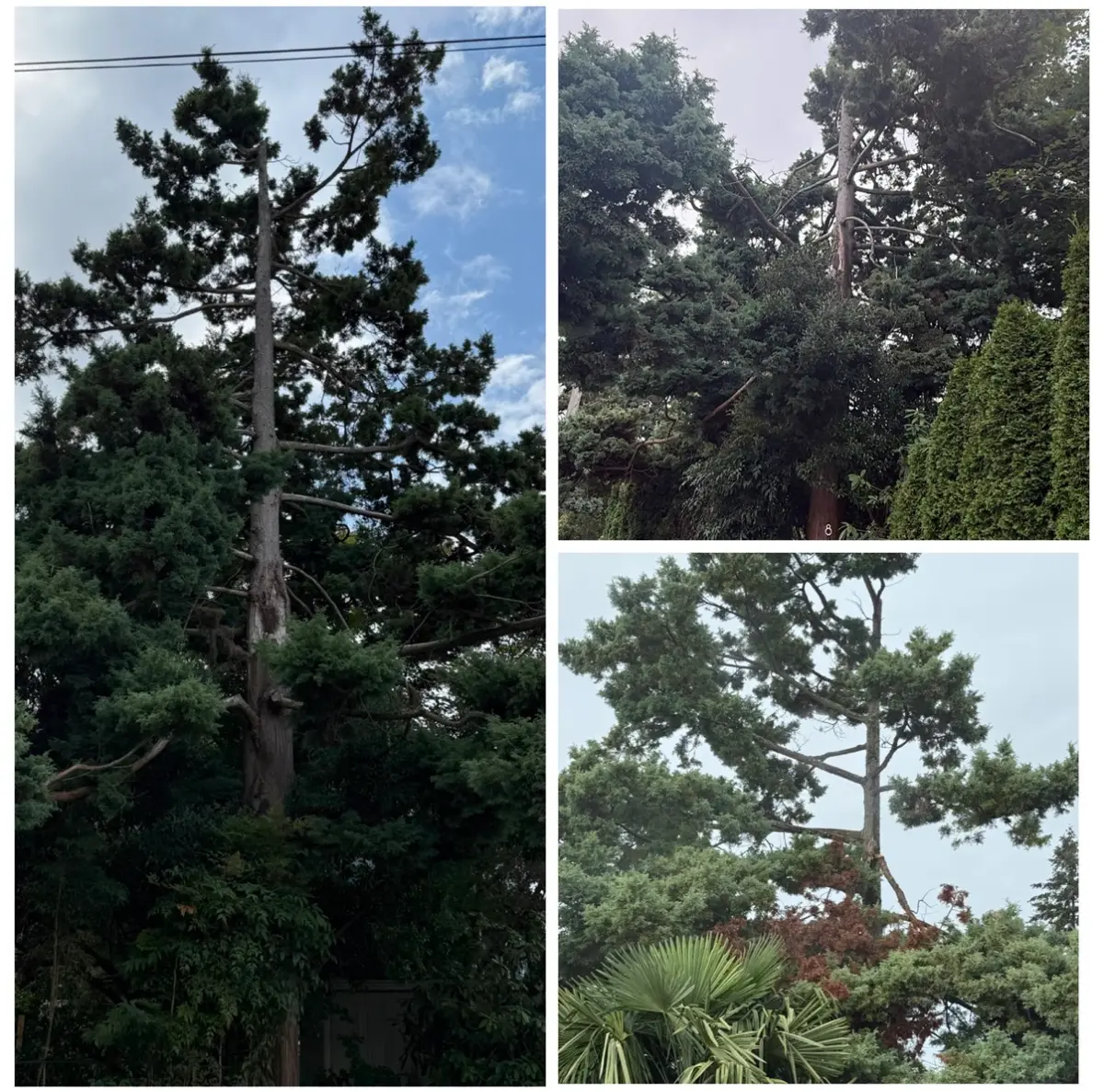
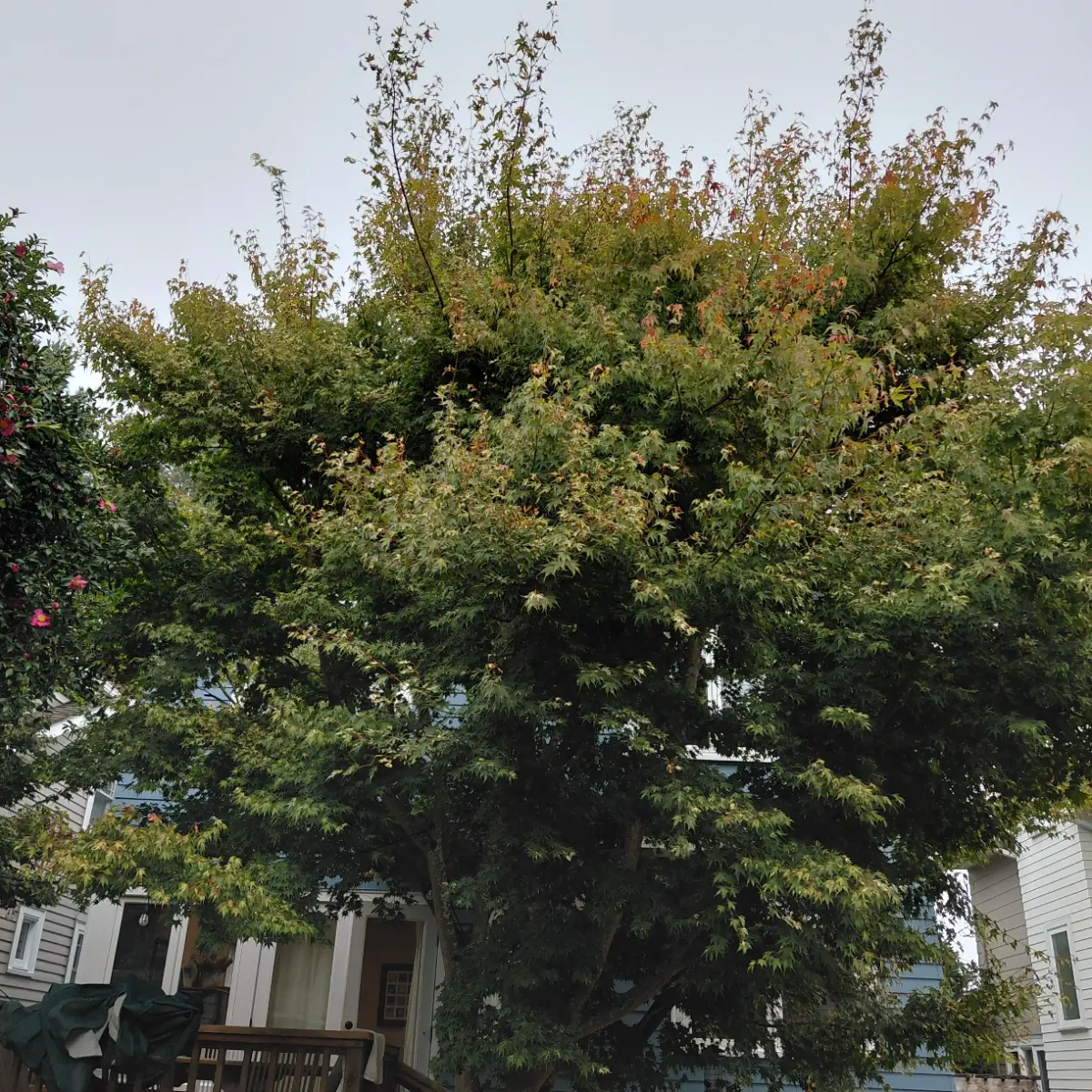
A few details make the first conversation faster and the quote more accurate.
Straight answers to the questions we hear most.
Tree pruning cost depends on the tree’s height and spread, how much needs to come out, what’s underneath (roofs, wires, gardens), access for equipment and cleanup. Every pruning job is quoted after the tree has been seen, so you know the price before any work starts.
Young trees benefit from light structural pruning every two to three years. Mature shade trees usually need pruning every three to five years, sooner if limbs hang over the house or the tree carries a lot of deadwood.
Late winter, while most trees are dormant, is best for structural pruning. Oaks should be pruned only in the dormant season to avoid attracting the beetles that spread oak wilt. Dead or hazardous limbs can come out any time of year.
Trimming usually refers to cutting growth back for clearance and appearance. Pruning is selective, standards-based cutting that improves structure and health. Most visits combine both.
Trees on your own property usually don’t need a town permit, but public shade trees along the road fall under the town tree warden, and work near wetlands may involve the Conservation Commission. Check before removing any tree near the street or water.
Often, if the wood is still sound. Cabling and bracing can share the load between weak stems and add years of safe life. If decay or the crack has gone too far, removal is the safer choice.
Warning signs include a new lean, cracks in the trunk or a major fork, mushrooms at the base, soil heaving on one side, large dead limbs and hollow-sounding wood. Several signs together mean the tree should be looked at soon.
Typically several inches below the soil surface, deeper where you plan to plant or lay sod. The chips can be used to backfill the hole or hauled away.
Yes. Commercial tree service covers office parks, retail centers, schools, condo associations and municipal sites, including multi-year care plans and risk inspections.
Keep everyone clear, treat any wire as live and call the utility, then call for tree service. If it’s safe, photograph the damage for your insurer before anything is moved.
Call Shawsheen Tree Co. Andover and describe what you’re seeing. It’s the fastest way to a plan and a quote.
(978) 555-0142